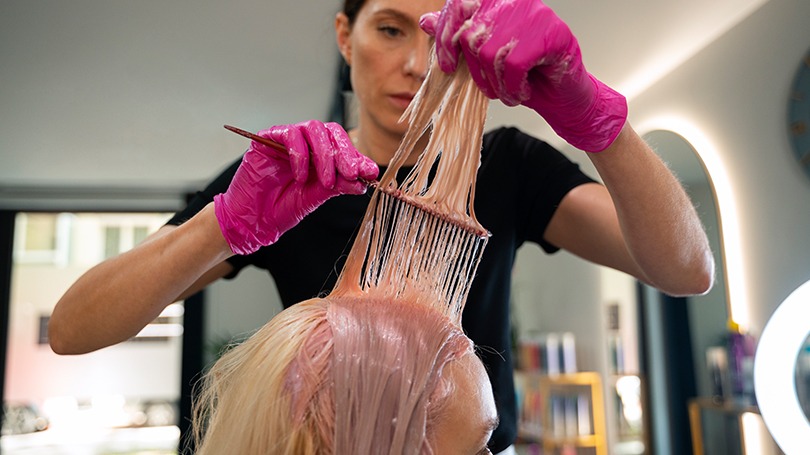
Hair has a big impact on how we feel each day, yet many clients leave the chair wishing they had spoken up. A great cut or color is never luck; it grows from a clear, honest talk between you and your stylist. When you walk in with photos but no plan, the results can still miss the mark. To prevent that let-down, this guide breaks down the must-share details—from curl pattern to face shape—so you get a look that fits your life, not just the moment you step out of the salon. Read on to see the seven key topics that will help you leave your next appointment smiling at every angle.
Know Your Hair’s Natural Texture First
Texture rules every choice your stylist makes. Before suggesting a shag, a blunt bob, or a layered cut, they must gauge whether your strands are fine, medium, or coarse and whether they sit straight, wavy, curly, or coily.
Tell them:
- Diameter: Fine strands may fall flat, while coarse strands hold structure.
- Density: A thick ponytail needs weight removal; sparse hair needs shape.
- Porosity: High-porosity hair drinks are in color but also fade quickly.
Technical note: Porosity can be tested by placing a clean strand in a glass of water—if it sinks fast, it’s highly porous. That knowledge guides processing time for lightening or glossing services. When you share how your hair air-dries at home and which products soak in or sit on top, your stylist can pick cutting angles that encourage movement, not puffiness. Texture talk is the first step toward a look that works without endless heat tools.
Face Shape Guides Balanced Cut Choices
The outline of your face directs where the length should hit and where the weight should sit. Instead of simply saying, “I want shorter hair,” tell your stylist whether your face is oval, round, square, or heart-shaped.
Each shape pairs well with specific design moves:
- Oval faces handle almost any length.
- Round faces benefit from framing pieces that hit below the chin.
- Square faces soften with graduated edges and light layering.
- Heartfaces look balanced when volume sits at the jaw, not the crown.
For example, a square jaw can appear wider if the cut stops at chin level with a blunt line. By sweeping the length one inch lower and adding wispy ends, the edge looks refined. Mention your favorite facial feature—eyes, cheekbones, or jaw—and your stylist can create lines that draw attention exactly where you like.
Explain Your Morning Routine And Styling Time
No style is “easy” if you need an hour to set it every morning. Talk about how many minutes you realistically spend on hair.
Answer these questions:
- Do you air-dry or blow-dry?
- Which tools do you own—flat iron, round brush, diffuser?
- Is gym sweat or outdoor work part of your day?
If you can spare only ten minutes, short layers that need brush flipping might not suit you. A wash-and-scrunch lob with soft waves could, though. Share any physical limits, such as shoulder pain that makes long blow-dry sessions hard. Your stylist can prescribe cuts and product routines—like mousse for volume or curl cream for definition—that fit inside your time cap.
Bring Reference Photos That Show Key Details
Pictures beat words when describing length or fringe. Still, one photo is seldom enough.
Bring at least three images and mark what you like in each:
- Photo 1: Ideal length.
- Photo 2: Bang or part style.
- Photo 3: Texture or layering style.
Point to the model’s hairline, crown, and ends. Say, “I enjoy the soft edge here” or “The lift at the root appeals to me.” Lighting can fool the eye, so note whether the shot was taken outdoors or under studio lamps; this matters when assessing color tone. Clear visuals reduce guesswork and help the stylist adapt the concept to your own hair’s density and growth patterns.
Discuss Color Goals And Hair History Clearly
Color chemistry depends on what is already on your strands. List every treatment from the past two years: permanent dye, gloss, bleach, keratin, or henna. Without that timeline, a new formula can push pigment unevenly or cause breakage.
Cover three points:
- Desired tone: warm brunette, cool ash blonde, caramel highlights.
- Lift level: subtle change (1–2 levels) or dramatic lightening.
- Upkeep plans: refresh every six weeks or stretch to three months.
Technical info: Lifting dark hair by four levels usually requires a 20–30 volume developer and multiple sessions to keep bonds safe. Sharing your patience for gradual change helps set a realistic schedule, cost estimate, and strand integrity plan that uses bond-repair additives when needed.
Ask About Maintenance Costs Before Fully Committing
A gorgeous style on day one should not drain your wallet later. Some looks—like vivid fashion shades or micro bangs—need frequent trims or toners.
During consultation, request an upkeep outline that covers the following:
- Trim frequency (weeks between cuts).
- Toner or gloss refresh timeline.
- Average product spend per month.
If highlights cost less upfront but need toner every four weeks, a richer single-process color may be smarter. The stylist can propose “root smudge” or “lived-in highlights” techniques that grow out softly. Knowing the long-term budget keeps you from switching styles too soon due to surprise costs.
Confirm Aftercare Products And Follow-Up Visits Needed
Great hair leaves the salon with you, but it stays great only when cared for well. Ask which shampoo, conditioner, and heat protectant match your new look.
You might hear about:
- Sulfate-free cleansers to guard color.
- Protein masks to support bleached ends.
- Lightweight oils to seal curls without weight.
Set a follow-up visit right away—often eight weeks for shape upkeep or six weeks for color tone checks. Many salons offer quick “bang dust” touch-ups or glaze add-ons at lower costs between full appointments. Booking in advance means you keep structure and shine instead of waiting until frustration sets in.
Conclusion: Leave The Chair Smiling Every Time
Clear talk, honest history, and shared photos turn guesswork into teamwork. When you describe the texture, face shape, daily routine, and future budget, your stylist gains the facts needed to craft a look that fits long after washing day two. Remember these seven topics before your next appointment, and you’ll walk out feeling heard, seen, and ready to enjoy your new style. If you’re in search of a stylist who listens closely to every detail, book a session with Jessica’s Hair Haven and experience communication that puts your hair goals first.